Foods to Avoid While Taking Endocrine Therapy for Breast Cancer
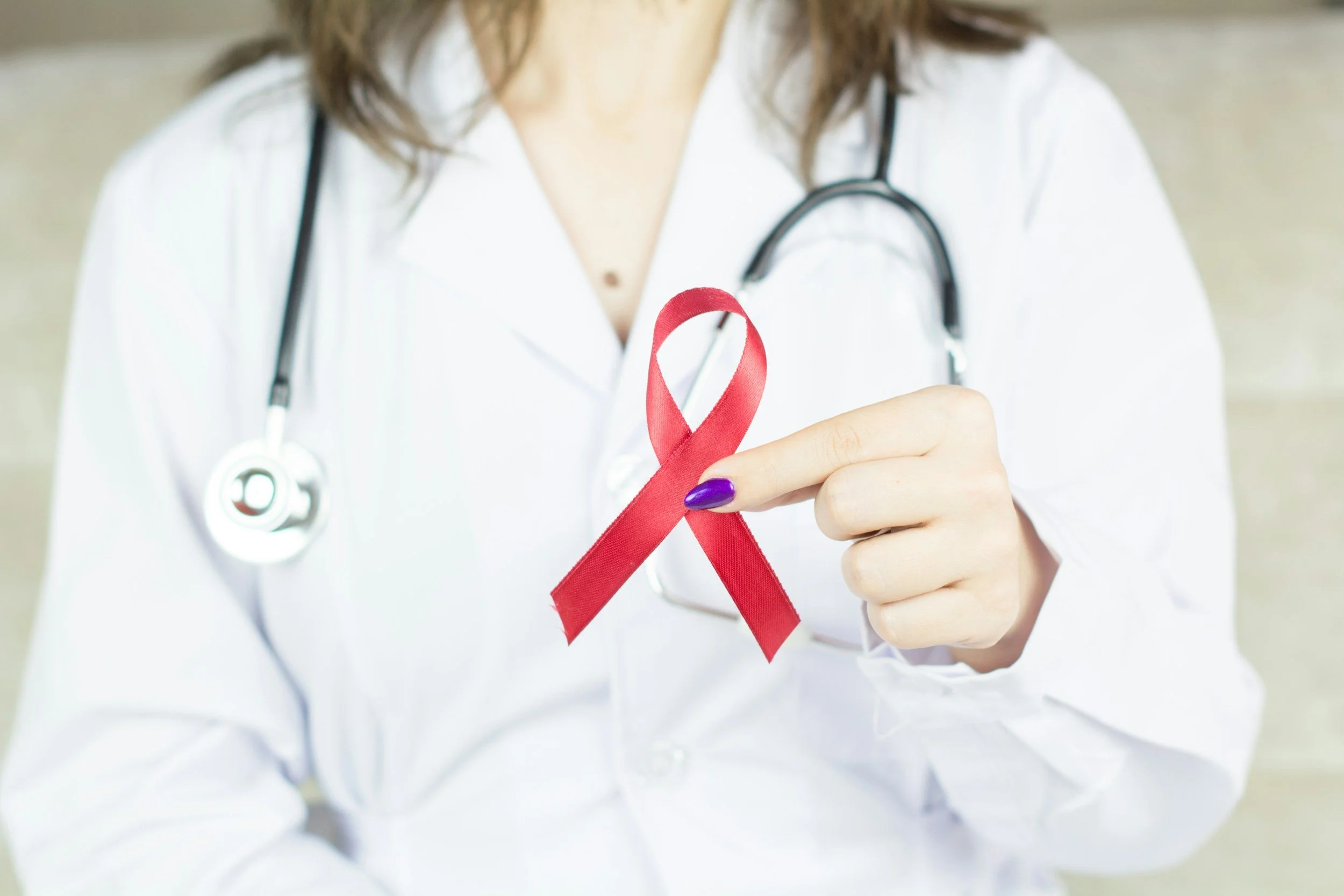
If you've been prescribed endocrine therapy after a breast cancer diagnosis, you've probably wondered whether there are foods or supplements that could interfere with your treatment. You may have hard conflicting advice online about soy, flax, turmeric, supplements, and dozens of other foods. The good news is that the list of foods you truly need to avoid is very short.
Understanding Endocrine Therapy:
First it helps to understand how endocrine therapy works and why food interactions matter.
Endocrine therapy is commonly used to treat estrogen receptor-positive (ER+) breast cancer. These medications work by either blocking estrogen's ability to stimulate cancer cells or by reducing the amount of estrogen your body produces.
Two common medications include:
Tamoxifen – a selective estrogen receptor modulator (SERM) that blocks estrogen from binding to receptors on breast cells.
Aromatase inhibitors – medications such as anastrozole, letrozole, and exemestane that reduce estrogen production by blocking the aromatase enzyme.
These medications are highly effective, but they need to be properly metabolized by the body in order to work as intended.
The Role of Liver Metabolism:
Many medications, including endocrine therapies, are processed through the liver. The liver contains a group of enzymes known as the cytochrome P450 (CYP450) system that helps break down medications and hormones.
Tamoxifen, for example, relies on enzymes such as CYP2D6 and CYP3A4 to convert it into its active form, called endoxifen. If something interferes with these enzymes, it could potentially affect how well the medication works.
Certain foods and supplements can influence these enzymes’ activity, leading to potential alterations in drug effectiveness
The Main Food to Avoid: Grapefruit
I don't like telling people to avoid foods unless there's a good reason. In general, I believe almost every food can fit into a healthy eating pattern.
However, grapefruit is one exception.
Grapefruit contains compounds called furanocoumarins that can inhibit the CYP3A4 enzyme. This enzyme is involved in the metabolism of many medications, including some endocrine therapies.
When CYP3A4 activity is altered, the metabolism of tamoxifen and aromatase inhibitors can be altered, making medication levels less predictable. For that reason, grapefruit is generally not recommended while taking tamoxifen or aromatase inhibitors.
Some citrus fruits, including Seville oranges (often used in marmalades), may have similar effects and are typically avoided as well.
For most people, avoiding grapefruit is the only food restriction that is routinely recommended.
What About Supplements?
When I review supplements with patients, my biggest concern is usually not whether they're "natural," but whether they might interact with treatment.
Many herbal supplements have not been adequately studied in people receiving cancer treatment, and some can affect liver enzymes involved in drug metabolism.
Curcumin supplements are one example. Curcumin is the concentrated active compound found in turmeric. Some research suggests that high-dose curcumin supplements may reduce blood levels of tamoxifen and its active metabolites. A study indicated that curcumin supplements could decrease tamoxifen levels by up to 12.8%. This highlights the need for caution when considering high-dose supplements that may alter drug metabolism.
This doesn't mean you need to avoid turmeric in food. The amounts used in cooking are much lower than what is found in concentrated supplement capsules.
As a general rule, I recommend discussing any supplement with your oncology team before starting it, especially if you're receiving endocrine therapy.
Foods You Do Not Need to Avoid
Fortunately, the list of foods that breast cancer survivors can enjoy is extensive. Most fruits, vegetables, and whole foods are safe to consume.
You do not need to avoid soy foods.
Soy contains phytoestrogens, which are plant compounds that can weakly bind to estrogen receptors. Despite the name, phytoestrogens do not act the same way as human estrogen in the body. In fact, research has consistently shown that consuming soy foods is safe for breast cancer survivors, including those taking endocrine therapy. In fact, research suggests soy may be beneficial for breast cancer survivors.
Similarly, flaxseed can be part of a healthy diet, and there is no evidence that consuming flaxseed interferes with endocrine therapy.
You can also continue to enjoy:
Fruits
Vegetables
Whole grains
Beans and lentils
Nuts and seeds
Herbs and spices (including turmeric used in cooking)
These foods provide fiber, vitamins, minerals, and phytochemicals that support overall health.
The Bottom Line
If you're taking tamoxifen or an aromatase inhibitor, there's no need to follow a restrictive diet.
Instead, focus on building a nutritious eating pattern that supports your overall health while keeping a few simple precautions in mind.
Nutrition during and after cancer treatment should make life easier, not more stressful. Fortunately, for most breast cancer survivors taking endocrine therapy, the list of foods you can enjoy is much longer than the list of foods you need to avoid.
Takeaways: Avoid grapefruit, check supplements with your oncology team, and don't be afraid of foods like soy. A healthy overall eating pattern matters far more than eliminating long lists of foods.
If you want to dive deeper, tune into my podcast episode: “Foods & Supplements to Avoid on Endocrine Therapy” where I unpack this topic in more detail.