The Best Cancer Nutrition Plan: Focus on the Big Picture
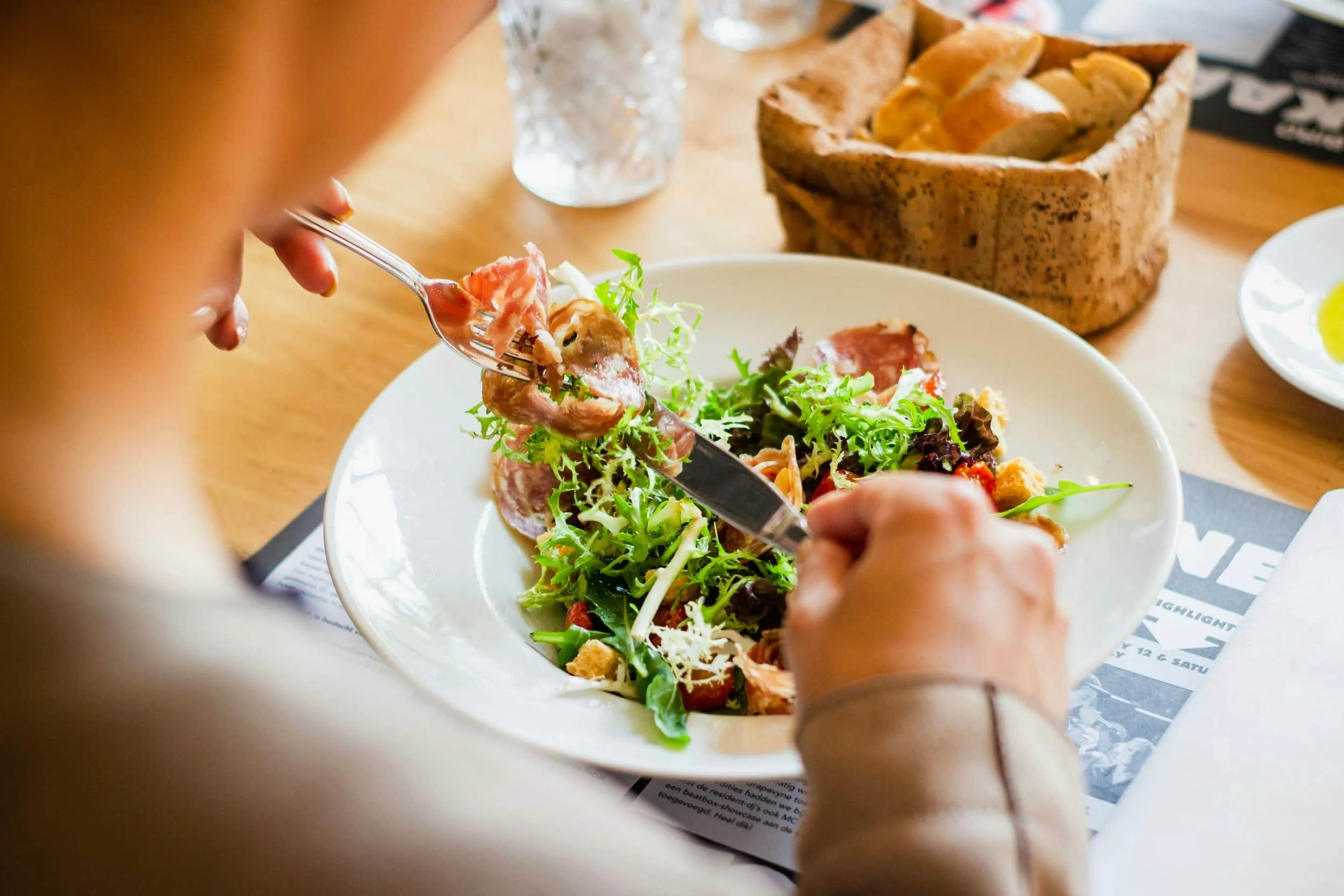
Feeling overwhelmed by all the conflicting advice about what to eat after a cancer diagnosis is common. You might be bombarded with endless lists of "superfoods," restrictions, and tips to avoid certain foods which can make the idea of nourishing your body feel impossible to figure out.The good news is, you don’t need to become a nutrition expert or follow a complicated diet to support your health during and after cancer.
A simple but impactful place to start is shifting your focus from individual foods to your overall dietary pattern. By understanding the science behind this approach, you can reduce stress, enjoy your meals more, and support your health during and after cancer.
The Problem with Focusing on Single Foods
Believing that eating a specific "superfood" or avoiding certain foods will drastically improve cancer prognosis or overall health is misguided. While certain foods do contain beneficial nutrients, this mindset oversimplifies nutrition and overlooks the bigger picture.
Think of your foods working together like a team: fiber from beans, healthy fats from avocado, and phytochemicals from broccoli all collaborate to support your health. This synergy amplifies their individual benefits and offers a more powerful approach to health. Instead of obsessing over specific items, aim to create a balanced diet where healthy foods are the norm most of the time.
What Is a Healthy Dietary Pattern?
Instead of obsessing on "good" or "bad" foods, focus on the big picture: your overall dietary pattern. This concept refers to the typical composition of your diet over time, emphasizing consistent, balanced choices rather than isolated meals. It's much more effective and sustainable to consider your overall patterns of eating over days and weeks.
Key characteristics include:
Rich in whole grains, vegetables, fruits, and beans
Moderate consumption of lean proteins like fish, chicken, and tofu
Limited intake of processed foods, red and processed meats, and sugary drinks
Flexible and varied, allowing for your favorite food
The Myth of Perfection and "All-or-Nothing" Eating
Indulging in a slice of birthday cake or skipping your veggies for a day doesn't ruin everything. That thinking can cause unnecessary guilt and discourage you from sticking with healthy habits. In reality, your health is shaped by your typical patterns, not individual meals or single days. An occasional treat or missed veggie doesn’t undo months of good choices. Similarly, an occasional superfood smoothie won't make up for a mostly processed diet. It’s about consistency over time.
The Evidence: What the Research Shows
While much research initially focused on diet and cancer prevention, a growing body of evidence suggests that what you eat after a diagnosis may matter just as much.
Recent studies point in a consistent direction:
A 2023 study on breast cancer survivors found that those following a plant-rich diet had a 24% lower risk of death from any cause.
A 2024 review of colorectal cancer survivors found similar results, supporting the idea that healthy dietary patterns may improve survival even after diagnosis.
A 2025 study in the Journal of the National Cancer Institute tracked 1,284 metastatic colorectal cancer patients and found that those eating more healthy plant foods had a 24% lower risk of death.
Practical Framework: The New American Plate
Visual tools can make healthy eating easier to implement. The model I recommend is the New American Plate created by the American Institute for Cancer Research.
How to build your plate:
Fill at least two-thirds with plant foods like vegetables, fruits, whole grains, and beans
Reserve one-third or less for protein sources, such as lean meats, fish, or plant-based options like tofu
Meal examples:
Breakfast: Greek yogurt with berries, walnuts, and a slice of whole grain toast
Lunch: Large salad with greens, mixed vegetables, and grilled chicken
Dinner: Stir fry packed with broccoli, peppers, and shrimp
Action Plan:
To reduce overwhelm, here’s one small step: Ask yourself: "How can I add more plants?"
Then, start implementing the strategy of including more plants. Start with foods you already enjoy and have at home. For example:
Add berries to your yogurt
Toss some beans into a salad or stir-fry
Opt for a side of vegetables instead of refined carbs
This simple, sustainable practice helps you build a healthy dietary pattern over time.
Building a Foundation That Supports You
Your health isn’t dictated by one perfect meal, it’s about what you do over the long run. Focus on a plant-rich, whole-food diet most of the time. Remember, the goal is to create a sustainable, enjoyable way of eating that makes you feel empowered, not restricted.
Takeaway: You don’t have to be perfect, but consistently choosing nutrient-dense, plant-forward foods most of the time is the best nutrition plan for cancer.
If you want to dive deeper, tune into my podcast episode: “Start Here: A Practical Foundation for Eating After Cancer” where I unpack this topic in more detail.